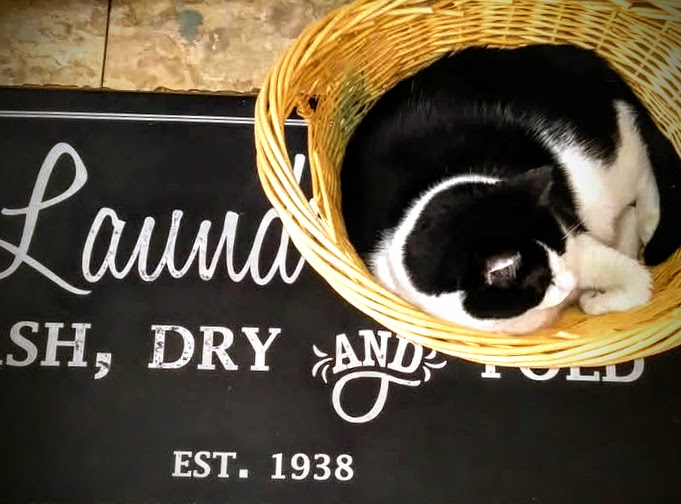
Our Cat, Creme Pie, in his daily demonstration of rest – Edited in Lumia Selfie
Lord, I rest in You.
I accept myself as a gift from You.
I acknowledge that Ican love myself while I work on myself.
I realize improvement is not about becoming someone else, but about growing into my best self.
Thank You for reminding me to rest.
Rest means more than just doing nothing, for our bodies do a lot of vital work while we are asleep, and can’t live without it!
Rest can also mean that something abides within or is built upon another thing. To say of someone, “Their strength lies in their humility does not mean their strength simply lies there doing nothing; it is nourished by and becomes the active outflow of its source.
So, I abide in You, my Love, I sink my roots deep to draw from You, the source of my being, my breath, my uniqueness, and my passions.
I will do through You
as I rest in You.
“The Lord replied,
‘My Presence will go with you,
and I will give you rest.'"       – Exodus 33:14
 I pray that, according to the riches of his glory,
he may grant that you may be strengthened in your inner being
with power through his Spirit
and that Christ may dwell in your hearts through faith,
as you are being rooted and grounded in love.       – Ephesians 3:16-17
I wonder what happens when you ask God to speak. How does he answer? I’m always curious about other people’s experiences of God. It is not so much that I am concerned with learning the ‘right’ way to have these experiences. Rather, I think there are attributes of God we can learn only through knowing one another and sharing our spiritual experiences.
For me, spiritual experience often comes as an impression so strong, I’ve just got to write it down. Because that’s what I do. I write. And what God does? Well, I think he meets us where we are.
So, one recent morning, I sat on my porch in the first gray light with a notebook open on my lap. Waiting. Lonesome for a dialogue with the Spirit that has become so familiar, so sustaining to me. I closed my eyes, and that lonesomeness was itself like a prayer, a psalm, a plea.
I wrote down the impressions that followed. Did God speak? Did He not? Call it wishful thinking? Call it . . . faith?
I am with you always.
“Ok. Is that it, Lord?” I asked, hoping for more, though really, “I am with you always” is a pretty big deal and worthy of contemplation.
Divine Life goes on and on, continued my impression of the Spirit. Far beyond all of this packaging you see all around you. Still, you must do what brings you joy. It is all you have. You cannot embrace the whole of Divine Life. Only your spark of it.
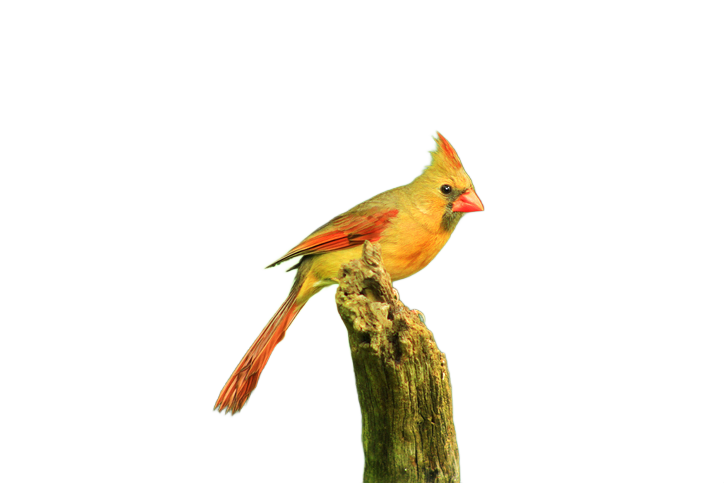
It is yours to do as you do, to do it to the best of your ability, and to take joy in the authenticity of it. As the cardinal joys in his single, bright chirp—for that is his chirp. His song to sing. His person to be.
And do not be afraid tobe! Plenty of legitimate concerns occupy the cardinal; cardinals face predators, competition for resources, the vagaries of weather . . . But the cardinal is not afraid of being a cardinal. The cardinal is not afraid it is not being cardinally enough. It is not afraid of being too cardinally. The cardinal is not afraid there is no place for its song among all the other sounds of nature. It is not afraid its song sounds too loud or too abrupt among all the other noises.
The cardinal is not concerned with telling the other birds what their songs should sound like or what kind of birds they should be. It is not concerned with grouping all the cardinals together and separating them from the rest of the birds.
It is not afraid of tomorrow.
Be in that way, my dear.
(Are you comfortable being?)
Just then, in the growing morning light, a female cardinal alighted on my garden arch, chirped brightly and flew away.
The summer I was 10, my mom worked as the secretary at our church, and I often accompanied her there. One day, encircled by paper-dolls and paperback books in my hiding spot under the stairs, I was seized by a new curiosity: What was it like to touch the black-lacquered baby grand piano in the sanctuary? Hmmm.
I knew kids were not allowed in the sanctuary unattended, and they most certainly were not allowed to touch the musical instruments! But, like any good fundamentalist kid, I was well-versed in scripture even by that age. And despite my homemade pink dresses and general sweetness, I was also . . . well, argumentative! I reasoned that if I got caught stealing a seat at the piano, I could defend my infraction by comparing it to David entering “the House of God” and eating “the consecrated bread”1 in 1 Samuel 21. which “was not lawful for him”2 to do . . . but which Jesus seems to defend in Matthew 12. Yeah. Who could argue with that? I thought, and made for the back stairs leading to the sanctuary.
Oh, who was I kidding? Foolproof metaphorical defense of not, I was trembling as I pressed through the sanctuary doors and tiptoed over the squeaky floorboard between the altars. I chuckled at myself for doing so. You’re here to make noise, aren’t you? To avoid drawing attention, I had not even dared to put any lights on and approached the piano only in shadows highlighted by the glow of green, pink and gold light from the stained glass windows.
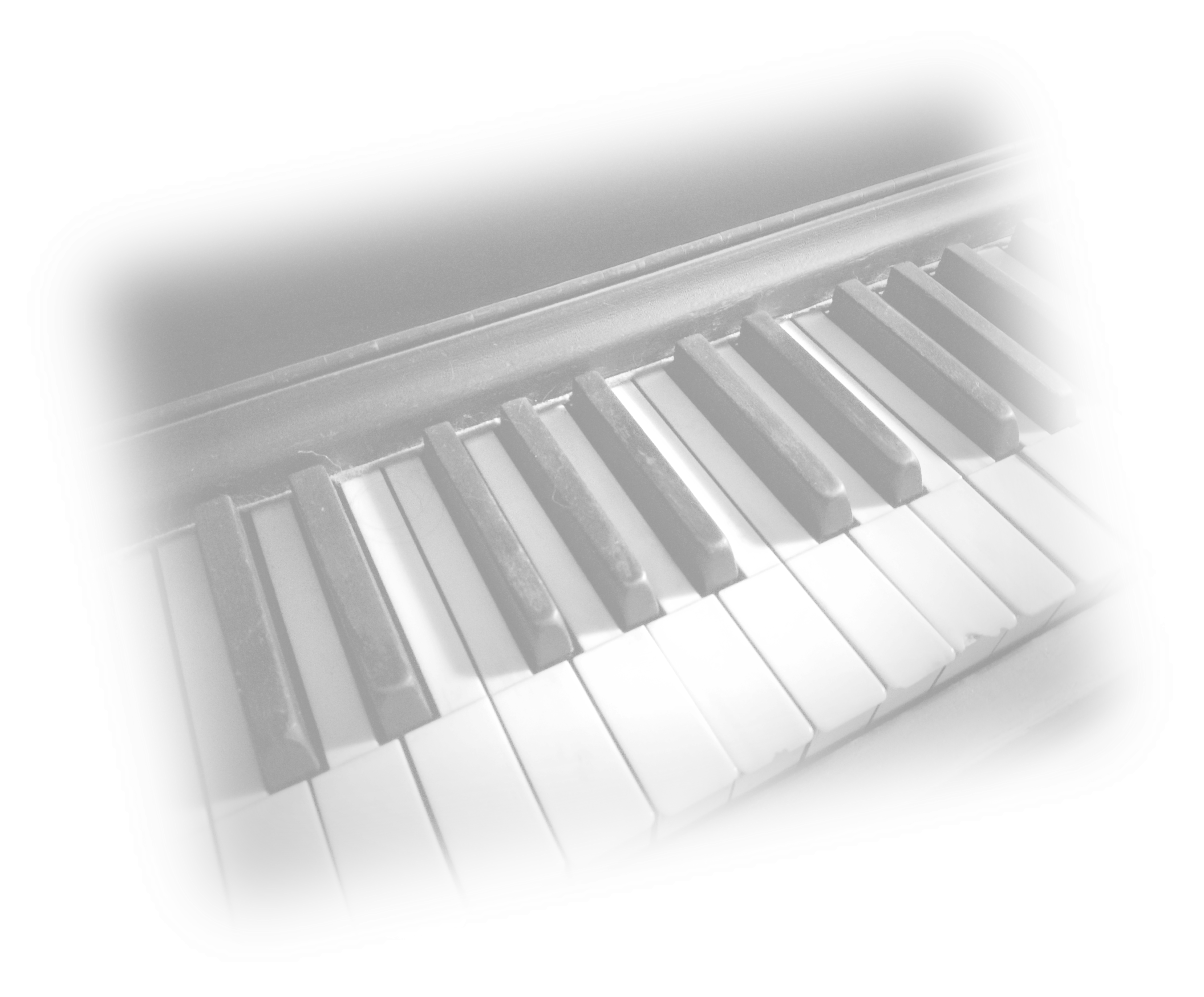
When I sat down at the piano, however, I lost my fear of the pastor to the thrill of heavy keys sinking under my fingers. The hymnal was open to “What a Day That Will Be.” A childhood favorite of mine, because it contained imagery, rather than just abstractions. My hands gently roved the keys searching for a melody I already knew by heart. I may have been little and clumsy, with grubby, pudgy hands . . . Hands and bodies come in a variety of shapes and sizes, but maybe spirits are all the same size, and a little body encompasses a full-grown soul. So, then those pudgy fingers of mine searched the piano with all the passion of artists to bring the Soul and the Senses into syncopation. Chubby little hands, yeah, but with all the impetus of the Created to reflect the Creator! At last finding that one familiar melody among 88 monochrome keys, I wondered if this was how sculptors felt when they first glimpsed a face in a block of clay.
“What day that will be, when my Jesus I shall see, when I look upon His face, the One who saved me by His Grace . . .”3 I played and sang. The notes resonated high into the vaulted ceiling while multicolor light diffused softly through stained glass into reflecting pools on the piano top. “When He takes me by the hand and leads me through the Promised Land, what a day, glorious day–” My hands shook. I could play no more. The moment was too beautiful. Strangely, I felt tears clinging to the corners of my eyes. Children don’t often cry if they are not scared or sad, hurt or angry. What was this new sensation of being moved to tears by the poignant and the profound? I felt privileged to experience it. (Yes, like any good evangelical kid, I’m still down with three main points, heavy on the alliteration!) I remembered a line my mom used to quote from Chariots of Fire: “When I run, I feel His pleasure.”4That’s what this is like, I thought. I could feel God smiling upon me as I played. A countenance shining amidst the piano notes sifting back down to earth through beams of rose-gold light.
I crept away from the sanctuary that day with a very young sense of being in love. It was what you might call “a God Moment.” I am confident it will not be a parade of clichéd milestones that pleasantly haunts me upon my deathbed. Not graduations, weddings, birthdays, or holidays, but moments like my first at the piano. Not the moments I planned in detail, but the moments God planned to surprise me. I am thankful.
So, my friends, do you have a collection of such memories? I feel sure you do. I urge you to take them out, dust them off and treasure them by sharing, rather than by storing them. Then I invite you to open your heart to see more and more of the “Promised Land” in piano keys, in garden tools, in a romp with the dog or a walk in the woods . . . May you open your eyes and see the God who sees you—in whatever you do that makes your heart sing!
Love,
Laci
References
1 Samuel 21:3-6
Matthew 12:1-8
Hill, James. “What a Day That Will Be.” In Sing His Praise, 367. Springfield, MO: Gospel Publishing House, 1991.
The big hoorah of Thanksgiving is over for most us. Nothing left but a few last straggling dinners, the leftovers in the fridge, and those gifts we didn’t manage to purchase on Black Friday. I find that once I’m not thinking about the green bean casserole I’m slated to make or the pumpkin pie I’m slated to eat . . . I actually have more time to think about thankfulness. I’m thankful for . . . well, things that might sound silly if they were stated around a candle-lit dining table. Just now I’m thankful for my fleecy robe, my mug of coffee (even though it has gone lukewarm). I’m thankful for profound things, too. I’m thankful for my loving husband. For my sons and nephew still sprawled out and sleeping on couches and pallets on the living room floor. Thankful for warmth and safety . . . as well as for those quirky little blessings that wouldn’t necessarily get everyone else going: my upstairs bedroom, a desk in front of the window where I can look down on the neighborhood (in a loving way, a loving way!) and watch this soggy, cold November day take shape.
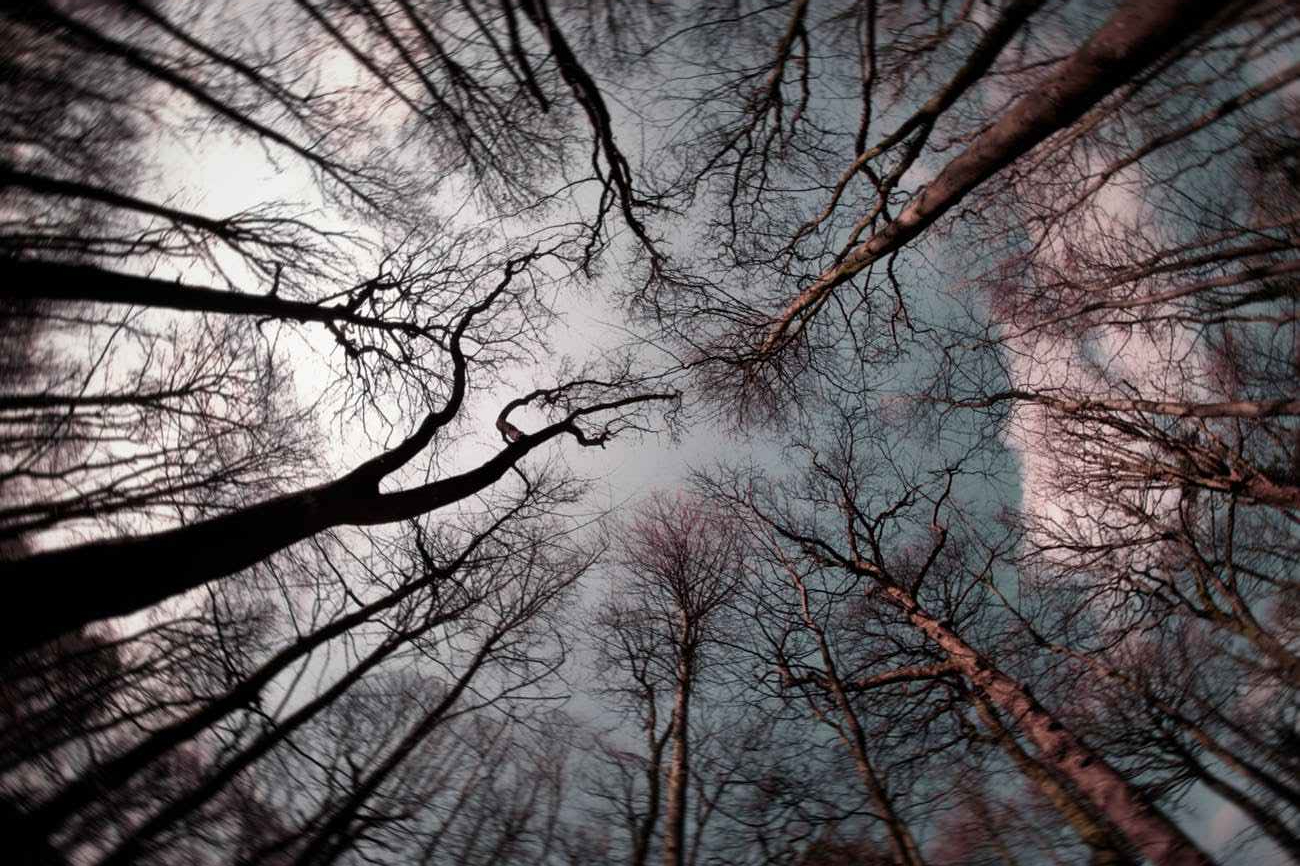
I’m even thankful for November. Not as pink and pretty as April, crisp and golden as September . . . but I always kind of like the cozy-melancholy of it. I like the mists, the wood smoke, the semi-frozen ground and expired grasses. The elegant forlorn-ness of bare tree branches reaching into pale skies. And though it’s not ‘the time’ for woodland hikes, it makes me want to take one, to wade into sodden leaves and thoroughly immerse myself in the day. You know. To know . . . just exactly what kind of day this is . . . in the natural sense. Not the day I sent that email, or that day I mopped that floor, but what kind of day it was . . . outside of myself and all these constructs people have made.
Photo by Megha Mangal on Pexels.com
And, though I’ve never heard anyone say it, to me, days (at least in their natural sense) are like snowflakes or pieces of popcorn. Each has a similar shape yet no two seem to be exactly alike. It is as if days . . . have personalities. “What kind of day is this?” I wonder, glancing out the window early in the morning. It’s like standing in a library, pulling a book from the shelf and asking, “What kind of story is this?” A sad and melancholy one? A chilling ghost story? A tale of true love? A funny story of friendship? A saga of adventure? Survival? Courage? Taking even just a little time to get to know the timbre of the day leaves me feeling creative and inspired.
All seasons are like this. Yes, there some are better for walks in the woods than others. . . but each has days that beckon to me simply by having a certain . . . nuance. The shady alcoves in the woods when summer has reached its full green-ness. The mystery of that, sort of fecund—fertile and romantic—the damp of it, the smells, the hum of bees and dragonflies. Even the danger of it: Was that poison ivy? A snake! A wasp!
When I was a child, I liked to write about “the beauty of nature.” But now I know nature is not just . . . pretty for pretty’s sake. I think few things are. There is something more to “the beauty of nature”—each day has its own nature, its own function, its own way to intrigue and inspire.
If you think about it, days are kind of like people that way.
I feel ‘happy as a lark’ beginning this ‘new chapter’ in my life. Being happy brings out the cliché in me. For the first week after moving into our new home, I couldn’t seem to do anything but grin and say I felt like “the cat that ate the canary.” I’m finally where I’ve wanted to be. My husband, sons and I returned to central Missouri and my roots and family after several years away for graduate work. I’m busy in what you might call a golden season, settling sons Andy and Jake into school in our tiny town and working alongside husband Tim to set up a counseling practice. In the meantime, we’re falling in love with our new (118-year-old) farmhouse and barns. I may be wildly creative when I’m feeling dismal, but I’ll take happy with a side of worn-out phrasing any day.
Happy as I am, though, I admit to feeling daunted by this idea of a new season or chapter. What if I do something to sully all this freshness? It’s much the same feeling I have putting my fingers to the keyboard to start this blog. After all, how do you pick up right in the middle of your life and . . . just begin?
I suppose I could begin with why I am writing. (Hint: it is not to share cooking tips, platitudes about family, or DIY ideas. I find these helpful from time to time, but they are not my area of expertise, and I know many others are covering them very well). I am writing because I couldn’t not write. Never could. Not as a little kid carefully storing up sights sounds, and bits of dialogue because I longed to work them into a story one day. Not as a lackluster teenage employee, scribbling on napkins when I was supposed to be working. Not even as an English major in college, who often found some lonely loft in which to toss aside the books and great thoughts of others to go all Walt Whitman—making lists and exuberant run-on sentences—about the things I loved. (Yes, professors. I know the poet Whitman did more than run-on sentences. Perhaps most importantly, he made known what had made him—America, Manhattan, the Civil War—and he did so in a way that resonates even with those who never experienced these things.)
. . . there is a hushed sanctity in so many things we don’t readily see as sacred . . .
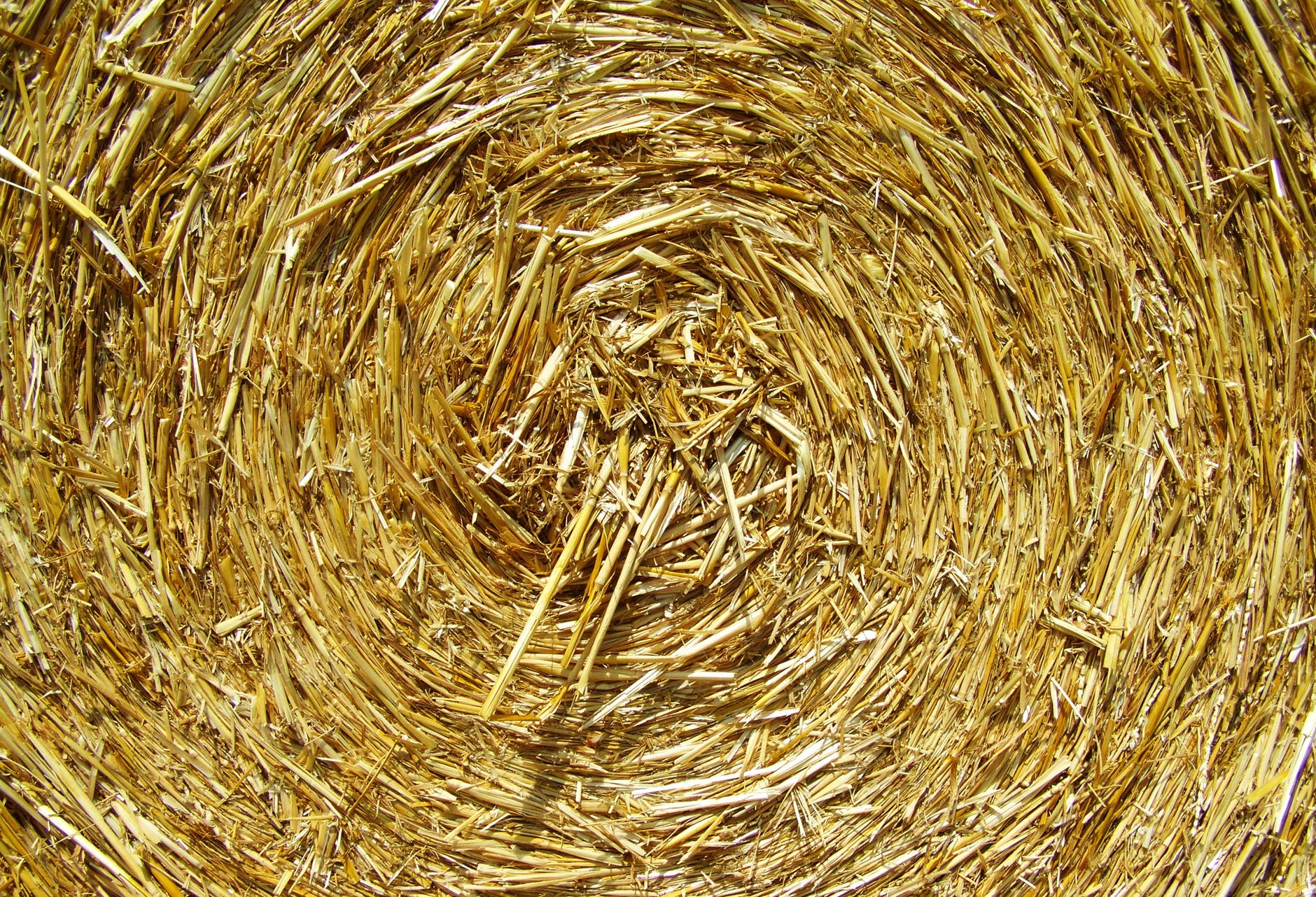
I guess I could say I write for similar reasons. I have always wanted to share my growing up in the Ozarks, my family, my Missouri river banks. It’s a kind of irrepressible thing, this desire to reverberate my own particular strain of “All things wise and wonderful . . . the Lord God made them all.” It is as if, in my mind, you can’t have truly loved something until you have longed to share it with the world. And so, even as the ‘great American novel’ eludes me and family and work fill my hours, I find I still come up sputtering to my notebooks about . . . hay! The way it felt to play in mountains of hay. To come out with hay sticking to my braids. Hay, the color of preserved sunshine. Through my mind race fragments and phrases about running. Running and never finding I was too tired to run—in my cut-off shorts and brown bare feet. About peep frogs, maple
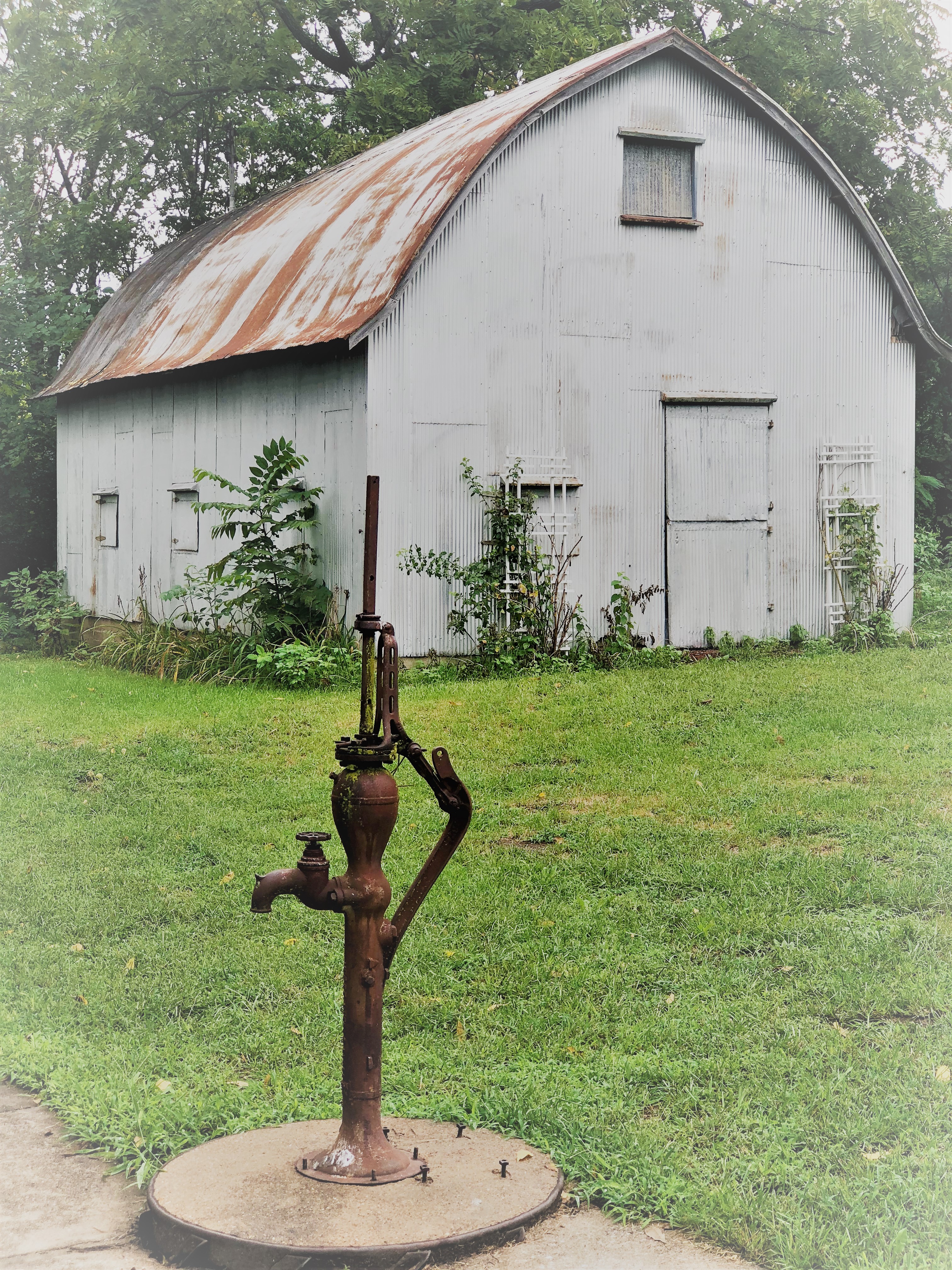
leaves, and fields in the breeze. I pop up Word documents and exhale hallelujahs for barns and big Ford cars, for paper baskets of fries from the local drive-in. Do you know why? It cannot be because these things are perfectly pure or rare, environmentally friendly or health conscious. It must be that there is a be a hushed sanctity in so many things we don’t readily see as sacred; there is depth to them. The tin-roofed barn of my growing up was not a barn but a stage for The Adventures of Cousins and Kittens. Those ‘lead sleds” of my memory were not just cars but of the ability to connect with those we care about. Food also meant family and fun.
And so, I write Ode to Fourth of July, to freedom expressed in Chinese poppers, for smoke hanging like a screen in the humid Ozark air. I write a hymn for bumblebees in clover and fresh honeycomb scooped into a clean margarine tub. For a cellar full of green jars and a fragrance reminiscent of dill. For freshly tilled garden soil accommodating my toes like velvet. I’ll write rabbit trails for the rabbit trails I used to find in tall grass. I’ll make homage for the things to which I cannot return: a “Dinner!” cry from the kitchen porch that sent us kids running from our play in the woods or fields; the scent of yeast and sage that met us before we even reached the door; Grandma’s curly head bent over the stove as she ladled dumplings from a dented pot that now occupies my shelf because she is gone.
Even for those places to which I’d rather not return, a reverence of words rises like fireflies out of the grass. A lonely cemetery. A sympathetic tree over a stone. A name and dates meant to sum up the brother whose eyes formed the horizon of my childhood, because we did everything together. But I remember playing with Levi nearby on Grandpa’s stone, because its marble vase reminded us of the smokestack on a choo-choo train. We played there with no notion of the significance of the plot that waited behind us. We were blessedly ignorant also, that attached to Grandpa’s stone waited one for Grandma who was then robust and fussing over the silk flowers she had brought for her love. Odes and hymns. For the mysteries of time. And much more for the One who redeems its passing, through whose grace I can respond to this scene with awe . . . for the innocence. For the love.
One way or another . . . we sing what we are.
I think we all have some longing to distill our experiences into story or song . . . or works of wood or paint or cloth or ingredients . . . One way or another, like the bobwhite or whippoorwill, we sing what we are. Maybe this is our innate hymn and hallelujah. All of this ‘writing what we know,’ is not a suggestion that our familiar things are the only or superior things, but that they are, quite simply, the framework we’ve been given through which we connect with God (as He meets us where we are) and reach out to others. Our moments become the “dust of the earth” from which God is forming our being. They are the language through which He reaches us and redeems our passing years with restored innocence and unquenchable love.
This is why I write: to bear witness to the things I have seen and heard. I am not a theologian, a philosopher, or a scientist. I am not likely to unravel the mystery of the ages. (And again, I am not a chef-turned-blogger . . . though, being a mom and all, I would find some culinary talent most convenient!) But I can be a witness to the things I’ve seen and heard. I can draw out the meaning in a moment, and I can share. That’s the beauty of it. Anyone can.
I will sing of the steadfast love of the Lord forever; with my mouth I will make known your faithfulness to all generations. – Psalm 89:1 (NIV)